Sports Injuries
Sports injuries range from acute ankle sprains and pulled muscles to chronic overuse conditions like runner's knee or tennis elbow. Osteopathy supports your recovery by addressing not just the injury site but the wider movement patterns that may have contributed — and that may increase your risk of re-injury if left unaddressed. The goal is a safe, progressive return to full activity, with loading and training advice built into your plan.
Clinically reviewed by Holly Taylor-Clifford, GOsC No. 8139Last reviewed July 2026
Common Signs & Symptoms
- Acute sprains and strains from a match, run, or training session
- Overuse conditions such as tennis elbow, runner's knee, or Achilles pain
- Recurring niggles that flare every time you increase training
- Tightness and reduced flexibility that limits performance
- Pain lingering from an old injury that never fully settled
How Osteopathy Helps with Sports Injuries
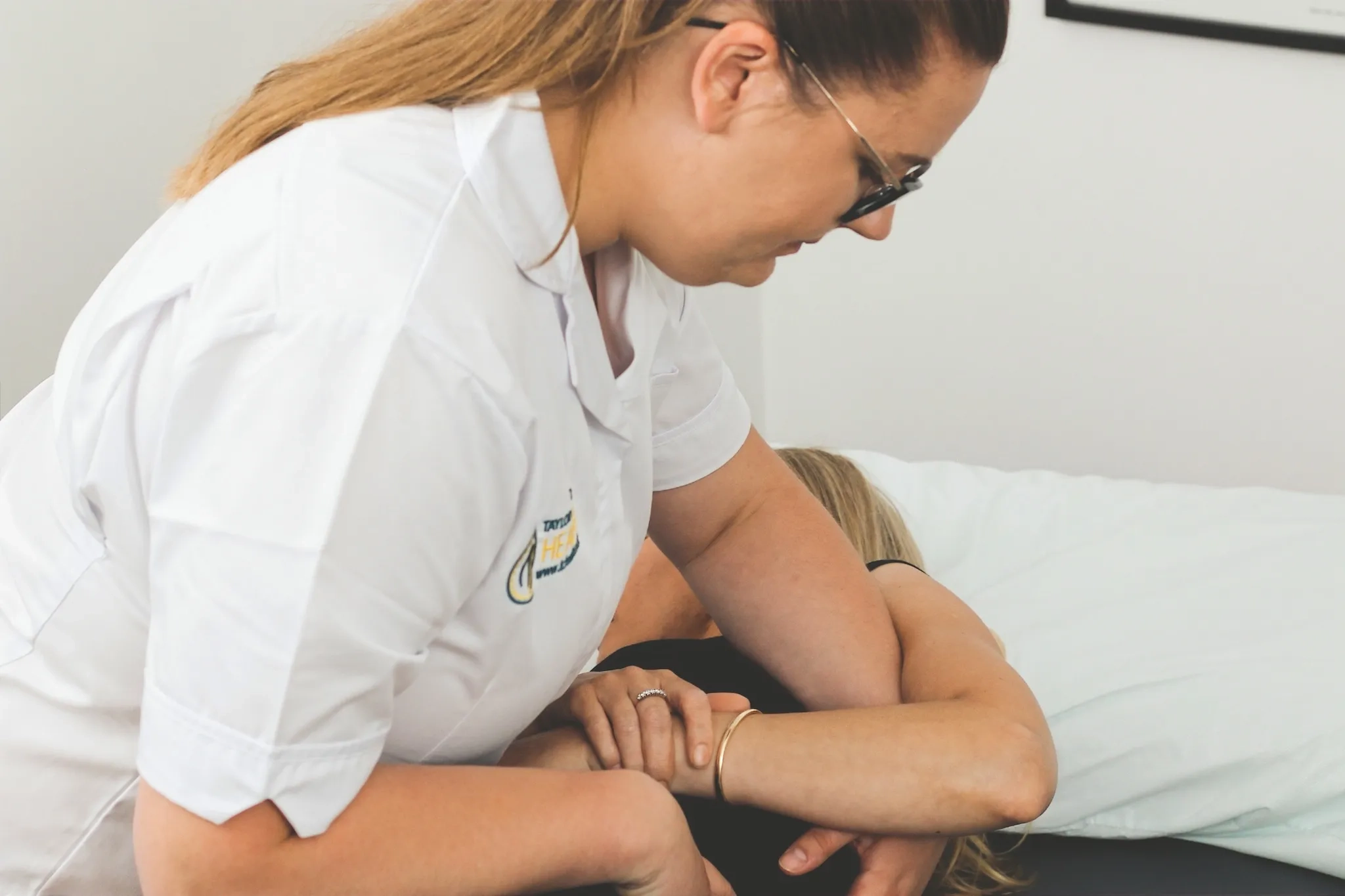
We treat the injury itself and the chain of movement around it — an ankle that never regained full movement after a sprain, for instance, often shows up later as knee or hip trouble. Hands-on treatment restores joint movement and tissue quality, and a graded loading plan gets you back to sport progressively rather than through trial and error. At both our Ashford and Charing clinics we can also combine treatment with sports massage.
Learn about our approachWhat You Can Do Yourself
In the first couple of days after an acute injury, protect the area, apply ice if it eases pain, and keep gently moving what you can. For overuse injuries, look at what changed before it started — a jump in mileage, new footwear, or a different training surface is often the trigger.
Sports Injuries: Your Questions Answered
- Should I keep training through an injury?
- It depends on the injury, but complete rest is rarely the answer. Usually the smarter route is modifying load — training around the injury while it recovers. We will tell you honestly what to pause, what to adapt, and when to build back up.
- What is the difference between osteopathy and sports massage?
- Osteopathy includes assessment and diagnosis, and treats joints as well as muscles — working out why the problem happened, not just easing it. Sports massage focuses on muscle recovery, tension, and preparation. They complement each other well, and we offer both — sports massage is available at both our Ashford and Charing clinics.
- How soon after an injury should I book?
- Early assessment is useful even when the injury is fresh — we can rule out anything that needs urgent imaging, guide you through the acute phase, and start hands-on work as soon as the tissue is ready. Guided rehabilitation from the start tends to beat waiting to see if it settles.
Related Service
Recovery-focused sports massage is available alongside osteopathy at both our Ashford and Charing clinics.
Sports Massage at Both ClinicsNot sure this applies to you?
If your condition is not quite what is described here, please get in touch. We're usually able to tell you over the phone whether osteopathy is a sensible first step.
Book or EnquireReady to Book?
New patients welcome. Your first appointment is up to 55 minutes and includes a full assessment and initial treatment.
Book an Appointment 01233 878 100Why Choose Us
All our osteopaths are registered with the General Osteopathic Council (GOsC).
Other Conditions
Your First Visit
New to osteopathy? See exactly what happens at your first appointment — what to bring, what to wear, and how long it takes.
What to expect