Back Pain
Back pain is one of the most common reasons people visit an osteopath, and one of the most common health complaints in the UK. Whether it is a sudden onset from lifting, a long-standing ache that flares unpredictably, or morning stiffness that eases through the day, the underlying cause usually involves the joints, muscles, and connective tissues of the spine and pelvis working poorly together. We assess your whole posture and movement pattern — not just the painful area — and build a treatment plan around what we find.
Clinically reviewed by Holly Taylor-Clifford, GOsC No. 8139Last reviewed July 2026
Understanding Back Pain
Most back pain is what clinicians call "non-specific" — meaning it comes from the ordinary working parts of the back rather than from anything sinister. That is reassuring, because it also means it usually responds well to hands-on treatment, movement, and time. The reason two people with "the same" back pain need different treatment is that the specific driver varies: a stiff joint, an irritated disc, an overloaded muscle, or a pelvis that is not sharing load evenly. Identifying which of these is at play is the point of your first assessment, and it shapes everything that follows.
Common Signs & Symptoms
- A dull ache or sharp pain in the lower back
- Stiffness that is worse first thing in the morning or after sitting
- Pain that flares after lifting, gardening, or long periods of sitting
- Muscle spasm that makes bending or twisting difficult
- An ache that spreads into the buttocks or hips
- Pain that eases with gentle movement and worsens when you stay still
Common Causes of Back Pain
Non-specific mechanical back pain
- By far the most common type — pain from the joints, muscles, and ligaments of the spine working poorly together, often triggered by lifting, a sudden movement, or a build-up of postural strain. It has no single sinister cause and typically responds well to treatment and movement.
Facet joint irritation
- The small joints at the back of the spine can become stiff and inflamed, giving pain that is often worse when leaning back or first thing in the morning, and that tends to be felt to one side.
Disc-related pain
- A bulging or irritated intervertebral disc can cause deep, sometimes severe back pain, and may refer pain into the leg (sciatica) if the nerve is involved. Most disc problems settle with conservative care and do not need surgery.
Sacroiliac joint pain
- The joints where the spine meets the pelvis can become a source of pain low down and to one side, common in pregnancy and after a fall or awkward landing.
Muscle strain and spasm
- Overloaded or suddenly overstretched muscles can go into protective spasm, which is painful in itself and limits movement until it settles.
Age-related change (spondylosis)
- Normal wear in the discs and joints with age can contribute to stiffness and episodic pain. It is extremely common on scans, often painless, and rarely the whole story on its own.
How Osteopathy Helps with Back Pain
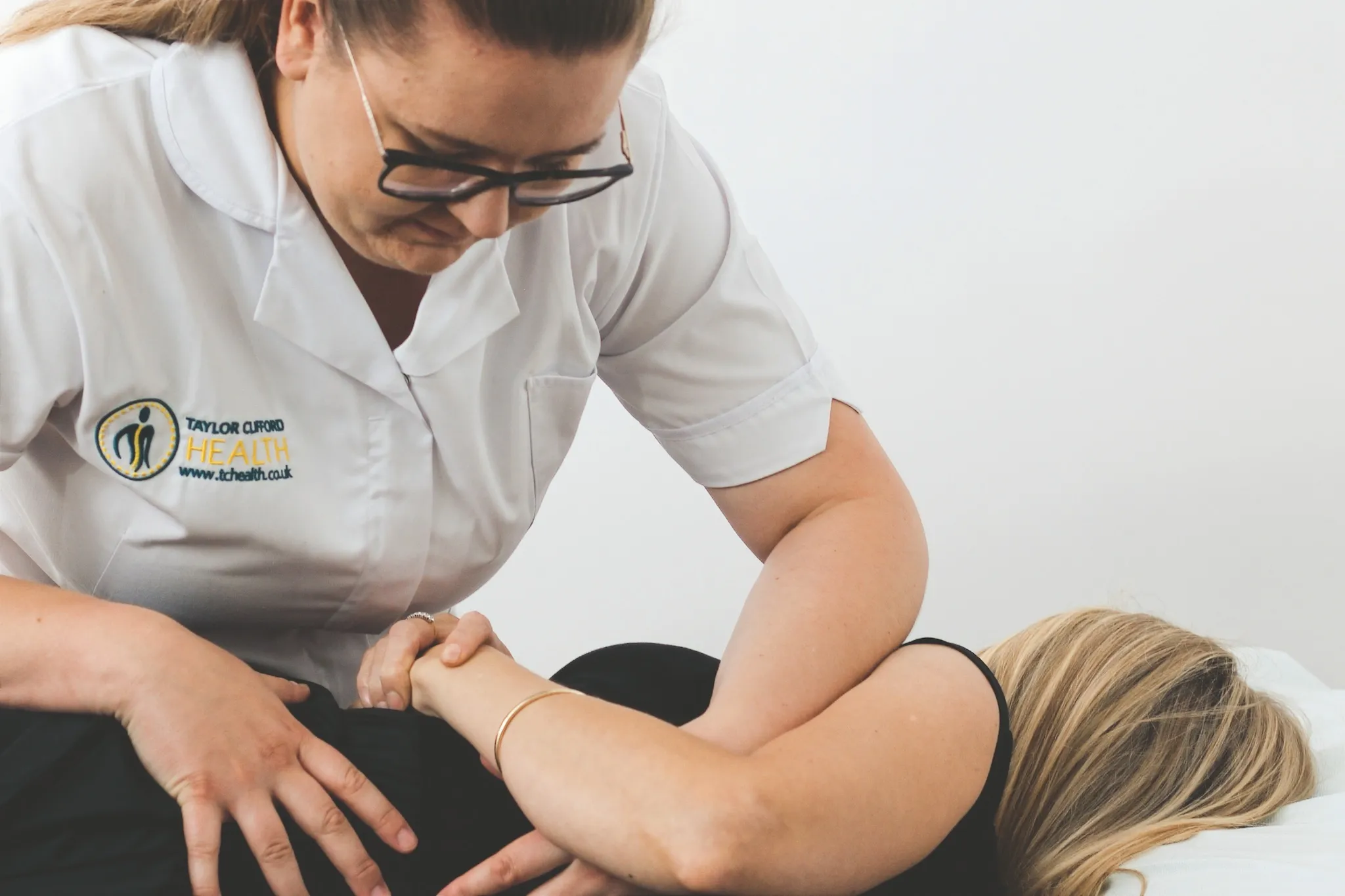
Treatment for back pain typically combines soft-tissue massage to release muscle spasm, gentle articulation of the lumbar spine and pelvis to restore movement, and — where appropriate and with your consent — joint manipulation. Because the way you sit, lift, and move feeds into most back problems, we also give you specific advice on posture, activity, and simple exercises so improvement continues between appointments. The emphasis shifts depending on what we find: a stiff, guarded back needs a different approach from an irritable, acutely inflamed one.
Techniques we may use
- Soft-tissue massage to release tight, guarding muscles
- Rhythmic articulation to restore movement to stiff spinal and pelvic joints
- Muscle energy technique — gentle contract-and-relax stretching
- High-velocity manipulation (the "click"), only where suitable and with your consent
- Graded exercise and mobility work to rebuild confident movement
- Posture, lifting, and workstation advice tailored to your daily life
What You Can Do Yourself
Most simple back pain responds better to gentle movement than to bed rest. Keep walking, change position regularly, and try heat on the area to ease muscle spasm in the first few days. Avoid staying in any one position — sitting or standing — for long stretches. Over-the-counter pain relief, used as directed, can help you keep moving in the early days, which is exactly what most backs need to recover.
Back Pain: Your Questions Answered
- Should I rest or keep moving with back pain?
- For most straightforward back pain, gentle movement helps more than rest. Prolonged bed rest tends to slow recovery and stiffen things further. Keep active within comfortable limits, and we will guide you on how to build activity back up safely.
- How many sessions will I need for back pain?
- Many episodes of straightforward back pain improve within two to four sessions. Longer-standing or recurring problems may need a longer plan. You will get an honest estimate after your first assessment, and we will never string out treatment beyond what is helping.
- Do I need an X-ray or MRI scan for back pain?
- Usually not. For most back pain, imaging does not change what the best treatment is, and scans often show age-related changes that are not the cause of the pain. We assess carefully and only recommend imaging if your history or examination points to something that genuinely needs it.
- Can osteopathy help a slipped disc?
- Yes, in most cases. The great majority of disc-related back pain and sciatica settles with conservative care — hands-on treatment, graded movement, and time — without needing surgery. We tailor the approach to how irritable the disc is, and refer on in the small number of cases that need it.
- Why does my back pain keep coming back?
- Recurring back pain usually means the underlying pattern — a stiff segment, a weak or overloaded area, or a daily posture that keeps reloading it — has not been fully addressed. Alongside easing the current flare, we look at that bigger picture so you are not back in the same place in a few months.
- Is it safe to have my back manipulated?
- For most people, yes. We screen thoroughly first, use manipulation only where it is appropriate, and always with your consent. There are effective gentler alternatives, so if you would rather not be manipulated — or it is not suitable for you — we simply use those instead.
- When is back pain a sign of something serious?
- Rarely — but seek urgent medical care if back pain comes with numbness around the saddle area, changes to bladder or bowel control, weakness in both legs, unexplained weight loss, or fever. We screen for these warning signs at every first appointment and refer you to the right place if anything needs further investigation.
Not sure this applies to you?
If your condition is not quite what is described here, please get in touch. We're usually able to tell you over the phone whether osteopathy is a sensible first step.
Book or EnquireReady to Book?
New patients welcome. Your first appointment is up to 55 minutes and includes a full assessment and initial treatment.
Book an Appointment 01233 878 100Why Choose Us
All our osteopaths are registered with the General Osteopathic Council (GOsC).
Other Conditions
Your First Visit
New to osteopathy? See exactly what happens at your first appointment — what to bring, what to wear, and how long it takes.
What to expect